What Is a FUPA? Causes and What Actually Helps
In this article
- What is a FUPA?
- Is it fat, skin or something else?
- What causes a FUPA?
- Your overall weight
- Genes
- Hormonal changes and age
- Loose skin
- Health conditions and medicines
- Lifestyle
- Can you get rid of a FUPA with exercise?
- What exercise does help
- What actually helps reduce lower belly fat?
- Aim for gradual change
- Build meals around fibre and protein
- Cut back on alcohol
- Look after your sleep and stress
- Track your waist, not just the scales
- Medical and surgical options
- When to see a GP
- Frequently asked questions
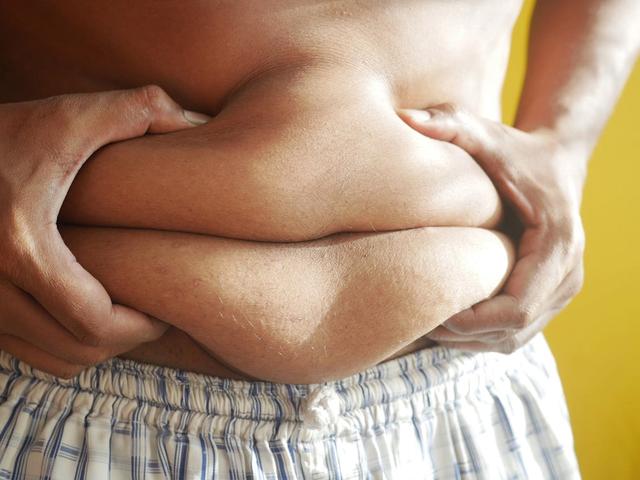
A FUPA is a slang term for a soft area of fat that sits on the lower tummy, just above the pubic bone. The letters stand for "fat upper pubic area", and you might also hear it called a lower belly pouch or "mons pubis fat". It's very common, in all body shapes and sizes, and it's usually made up of fat stored under the skin, sometimes with some loose skin as well. It isn't a medical condition. But because this area holds on to fat for longer than many other places, and because sit-ups alone don't target it, it's one of the most asked-about areas when people are trying to manage their weight.
Below, we explain what a FUPA is, why it forms, what helps (and what doesn't), the medical options people ask about, and the signs that a swelling in this area needs checking by a GP.
At a glance
- FUPA stands for "fat upper pubic area": a soft area of fat on the lower tummy, just above the pubic bone
- It's common and isn't a medical condition, though it can affect comfort and confidence
- Genes, overall weight, hormonal changes (including around menopause), loose skin and some medicines can all play a part
- Ab exercises strengthen the muscles underneath, but research suggests they don't burn fat from that one spot
- Gradual overall fat loss, regular activity, strength training, sleep and less alcohol are what help most
- The NHS suggests aiming to keep your waist to less than half your height
- A new lump or bulge in the groin or tummy could be a hernia and should be checked by a GP
What is a FUPA?
The pubic area, called the mons pubis, naturally has a cushion of fatty tissue over the pubic bone. When people talk about a FUPA, they usually mean that this area, and the lower part of the tummy just above it, holds more fat than they'd like, so it looks rounded or forms a small overhang.
It's not a medical term, and you won't find it in NHS guidance. But the things that cause it are well understood: how much fat your body stores overall, where your genes and hormones tend to put that fat, and how much stretch the skin has in that area.
Is it fat, skin or something else?
For most people, a FUPA is mainly subcutaneous fat, the soft, pinchable fat that sits just under the skin. Some people also have loose skin in this area, which can happen after significant weight loss, as we get older, or after abdominal surgery such as a caesarean section, where the scar can create a "shelf" effect.
Occasionally, swelling in this area has another cause, such as a hernia or fluid build-up. We cover the signs to look out for in the when to see a GP section below.
What causes a FUPA?
There usually isn't one single cause. A mix of the following tends to be involved.
Your overall weight
The NHS explains that you put on weight when your body turns extra calories from food and drink into fat. Your body doesn't choose to store that fat evenly, and the lower tummy is a common place for it to build up. If you'd like to understand what happens to fat when it's used for energy, our guide to where fat goes when you lose weight explains the science.
Genes
Where you store fat is partly inherited. The NHS lists having "genes that make you more likely to gain weight" as one of the things that can affect your weight, and many people notice they carry fat in the same places as their parents. This is one reason two people of the same weight can look very different.
Hormonal changes and age
Hormones influence where fat is stored. The NHS says weight gain during perimenopause and menopause is common and often happens around the stomach and upper body. The NHS also lists being over 55, and being menopausal or perimenopausal, among the things that can make weight gain more likely. Our guide to perimenopause symptoms covers this in more detail.
Loose skin
After significant weight loss, or as skin loses some of its elasticity with age, the skin in this area may not tighten back fully. That can make the lower tummy look fuller even when there's relatively little fat underneath.
Health conditions and medicines
The NHS notes that some health conditions can cause weight gain, including an underactive thyroid gland and Cushing's syndrome, and that certain medicines, including some steroids, antidepressants and beta blockers, can too. If you've noticed weight gain since starting a new medicine, don't stop taking it, but do mention it to your GP or pharmacist.
Lifestyle
Not doing enough physical activity, regularly eating and drinking more than your body needs, poor sleep and alcohol can all add up over time. None of these is a personal failing. They're simply the factors you have the most say over, which is why they're the focus of the next section.
Can you get rid of a FUPA with exercise?
This is where a lot of online advice goes wrong. Many videos promise to "burn" lower belly fat with targeted ab workouts, but the evidence doesn't support the idea that you can lose fat from one chosen spot.
In a small study published in the Journal of Strength and Conditioning Research, adults who did 6 weeks of abdominal exercises didn't lose a significant amount of abdominal fat compared with a group who didn't do them, although their abdominal muscle endurance improved. In other words, crunches made the muscles stronger, but they didn't shift the fat sitting on top.
That doesn't mean core exercises are pointless. Strong abdominal and pelvic muscles support your posture and back, and can help your tummy feel firmer. But to reduce the fat itself, your body needs to use more of its stored fat overall, and it decides where that comes from.
What exercise does help
The NHS physical activity guidelines advise adults to:
- Do at least 150 minutes of moderate intensity activity a week, or 75 minutes of vigorous activity
- Do strengthening activities that work all the major muscle groups on at least 2 days a week
- Reduce time spent sitting or lying down
Brisk walking, cycling, swimming and dancing all count as moderate activity. Strength work, such as body-weight exercises, resistance bands or weights, helps you keep muscle as you lose fat. That matters because muscle helps you stay strong and mobile, and it changes how your body looks, even if the scales barely move. Our guide to maintaining muscle while losing weight has practical tips, and our article on skinny fat explains why body composition matters as much as weight.
What actually helps reduce lower belly fat?
Because you can't choose where you lose fat from, the most effective approach is a steady, sustainable reduction in body fat overall. It's slower than the internet promises, but it's what lasts.
Aim for gradual change
The NHS advises trying to lose weight steadily, aiming for 1 to 2lb (0.5 to 1kg) a week, by eating and drinking fewer calories than your body uses. Very restrictive diets are hard to stick to and can leave you short of nutrients, so a modest, realistic change is usually the better choice.
The lower tummy is often one of the last places to change. That's normal, and it's not a sign that what you're doing isn't working.
Build meals around fibre and protein
Meals based on vegetables, fruit, wholegrains, pulses and a source of protein tend to be filling without being high in calories. The NHS recommends that adults aim for 30g of fibre a day, and most of us fall short. Our guide to how much fibre you need per day shows how small swaps add up.
Cut back on alcohol
Alcohol contains calories, and it can make it harder to make the food choices you'd planned. The NHS advises not drinking more than 14 units a week on a regular basis, spread over 3 or more days.
Look after your sleep and stress
Short or broken sleep can affect your appetite and energy, which in turn affects how active you feel and what you reach for. Our article on whether 7 hours of sleep is enough looks at the link between sleep and weight.
Track your waist, not just the scales
Because the scales can't tell the difference between fat, muscle and water, they don't always reflect the changes that matter. The NHS points out that BMI cannot tell the difference between muscle and fat, and that measuring your waist can help you understand whether you're carrying too much weight around your tummy.
A simple guide from the NHS is to try to keep your waist size to less than half your height. So if you're 168cm (5ft 6in) tall, you'd aim for a waist of less than 84cm (33in). This is about health rather than appearance: the NHS links being overweight with a higher risk of conditions such as type 2 diabetes, heart disease and high blood pressure.
To measure your waist, find the point roughly halfway between the bottom of your ribs and the top of your hips, breathe out naturally and wrap a tape measure around, keeping it level and snug but not tight. Measuring every few weeks, at the same time of day, gives you a clearer picture than daily weigh-ins. And if you're building muscle as you lose fat, our guide on whether muscle weighs more than fat explains why your clothes can fit differently before the scales move.
Medical and surgical options
Some people ask about procedures to remove fat or skin from this area. It's worth knowing what's involved before you consider them.
Tummy tuck (abdominoplasty). The NHS describes this as cosmetic surgery to improve the shape of the tummy area. It's regarded as cosmetic, so it's not usually available on the NHS, and the NHS says it costs from about £5,000 to £10,000 privately. Importantly, the NHS says it's not a quick fix for losing weight and is usually only recommended for people with a healthy BMI. Like any surgery, it carries risks, including wounds failing to heal, a collection of blood under the skin, blood clots and infection.
Liposuction and other fat-removal treatments. These aim to remove fat from a specific area. If you're considering any cosmetic procedure, speak to your GP first and make sure the practitioner is properly qualified and registered.
If your weight is affecting your health, the place to start is a conversation with a clinician about your overall health, rather than a procedure aimed at one area.
When to see a GP
Most of the time, a FUPA is simply where your body stores some of its fat. But the NHS advises seeing a GP if you think you might have a hernia. Signs include a bulge or lump where your legs join your tummy (the groin), in your upper thigh or on your tummy, and skin over the lump that looks tight and stretched.
It's also worth speaking to your GP if:
- You've gained weight quickly without an obvious reason, as conditions such as an underactive thyroid can cause weight gain
- You have swelling that affects one area much more than others, or swelling that comes and goes
- You have pain, tenderness or easy bruising in areas of fat
- Your weight is affecting your health or your day-to-day life
Lipoedema, which the NHS describes as an abnormal build-up of fat, mostly affects the bottom, thighs and legs, is more common in women, and isn't caused by being overweight: you can be a healthy weight and still have it. There's no cure, but treatment can help, so it's worth getting checked if this sounds familiar.
The bottom line
A FUPA is a common area of fat on the lower tummy, just above the pubic bone. It's shaped by your overall weight, your genes, hormonal changes, loose skin and sometimes medicines or health conditions. Ab exercises strengthen the muscles underneath but don't burn fat from that one spot, so the most effective approach is gradual overall fat loss: regular activity with strength work, meals built around fibre and protein, less alcohol and good sleep. Track your waist alongside the scales, aiming to keep it to less than half your height. A tummy tuck isn't a weight-loss treatment and isn't usually available on the NHS. See a GP about any new lump in your groin or tummy, and if your weight is affecting your health, speaking to a clinician about your options is a sensible next step.
This article is for informational purposes only and does not constitute medical advice. Always consult with a qualified healthcare professional before starting any treatment.